

HIYANG PLUS | The Impact of Jueteng and the Search for HIYANG PLUS
The Enduring Presence of Jueteng
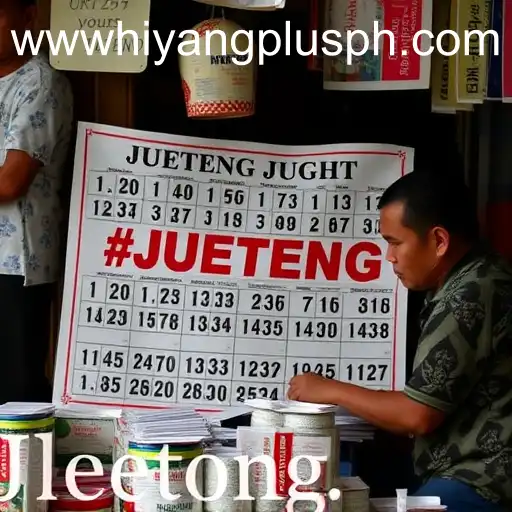
Jueteng, an illicit numbers game deeply rooted in the cultural landscape of the Philippines, continues to capture the attention and concern of authorities and citizens alike. Despite numerous campaigns to eradicate this illegal activity, Jueteng persists, woven into the fabric of communities, particularly in Luzon and some parts of Visayas and Mindanao. The game’s appeal lies in its accessibility and the potential for quick financial gain, often attracting those in economically challenged situations.
The Mechanics of Jueteng
Jueteng operates much like a simple lottery. Participants select a combination of numbers, usually between 1 and 37. Bets are collected by an intricate network of cobradores (collectors) who go door-to-door or open informal collection posts. These bets are then compiled and turned over to cabos (leaders) who oversee several collectors. The winning numbers are drawn twice daily, often using rudimentary methods such as spinning a roulette-type device or pulling numbers from a container. Winners receive a payout based on their wagers, offering significant returns compared to their investments.
Regulation Challenges
The Philippine government has long battled to suppress Jueteng due to its illegal status and the ease with which it can be manipulated to exploit the poor. Efforts to control Jueteng have struggled due to deep-seated corruption and the clandestine nature of its operations. Law enforcement agencies often face accusations of accepting bribes to ignore Jueteng activities, further complicating regulation efforts. The lack of success in eradicating Jueteng reflects not only the institutional challenges but also its acceptance and normalization in certain regions.
Cultural Significance
Jueteng's persistence is largely due to its cultural entrenchment. It is viewed not just as a game of chance, but a means of survival by those who participate. For many Filipinos, particularly those in low-income brackets, Jueteng offers hope for a financial windfall in times when jobs are scarce and economic stability is fragile. The game's proceeds can also fund community needs, sometimes acting as an unofficial social security net amidst government inadequacies.
The Search for Alternatives
In the battle against Jueteng, alternatives that could replace this deeply ingrained system have been elusive. Attempts to promote government-sanctioned lottery systems, such as the Philippine Charity Sweepstakes Office (PCSO), have met with mixed success. Often, these legal betting systems are viewed as cumbersome or less rewarding compared to Jueteng.
Introducing HIYANG PLUS
Amidst the struggle to find effective solutions comes the search for HIYANG PLUS, a concept aimed at addressing both the positive and negative aspects of Jueteng by introducing a system that is both culturally hiyang (suitable) and beneficial. HIYANG PLUS entertains a multifaceted approach, where reform is not merely about suppression but transformation.
What is HIYANG PLUS?
HIYANG PLUS attempts to harness the community aspects, financial support systems, and cultural ties of Jueteng while discarding the illicit activities. It proposes a reform model where legal avenues of betting carry the same excitement as Jueteng but within a framework that supports and uplifts communities. By focusing on enhancing existing legal frameworks and ensuring fairness and transparency, HIYANG PLUS stands as a bridge between cultural practices and modern regulation.
Potential Benefits
Implementing HIYANG PLUS could channel the funds generated from betting into social welfare programs, including healthcare, education, and infrastructure development. By redirecting these resources effectively, the government could provide tangible benefits that resonate with communities long accustomed to relying on their Jueteng winnings.
Moreover, HIYANG PLUS seeks community involvement and feedback as part of its foundation, potentially transforming local attitudes toward gambling. By involving stakeholders directly, it creates a sense of ownership and pride in moving from illicit to transparent operations.
Challenges Ahead
Despite its potential, the path to implementing HIYANG PLUS is fraught with challenges. Overcoming deep-rooted corruption and shifting longstanding traditions will not happen overnight. This transformation requires the commitment of both governmental and non-governmental organizations, as well as the willingness of communities to embrace change.
Education and awareness campaigns will be crucial in this process, framing HIYANG PLUS not just as an alternative but a superior option to traditional Jueteng. By highlighting the positive societal impacts and ensuring accountability, communities can be encouraged to disengage from illegal operations in favor of reformative initiatives.
Conclusion: Toward a Sustainable Future
The conversation surrounding Jueteng and alternatives like HIYANG PLUS is essential in addressing the broader issues of poverty and corruption in the Philippines. As the nation continues to grapple with these challenges, exploring such innovative solutions could pave the way for a future where economic stability and legal regulations coexist harmoniously.


Google Sitemap